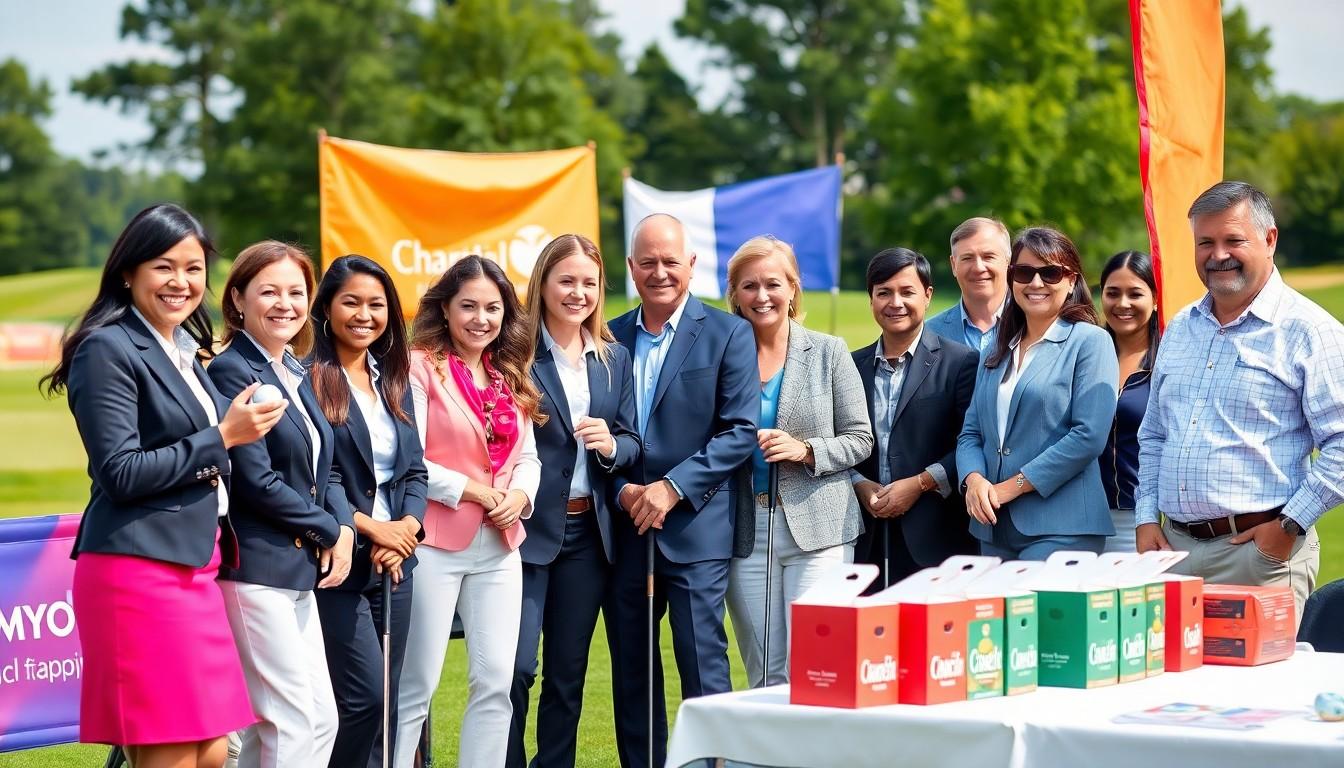
Corporate charity events blend business savvy with social responsibility creating win-win situations for companies and communities alike. These events transform traditional fundraising into engaging experiences that boost employee morale while making a meaningful impact on worthy causes.
Today’s socially conscious consumers expect businesses to step up and give back. Smart companies have discovered that charity events offer more than just good PR – they’re powerful tools for team building networking and demonstrating corporate values in action. From charity golf tournaments to virtual fundraising challenges these events have evolved far beyond the standard black-tie galas of the past.
Benefits of Corporate Charity Events for Organizations
Corporate charity events deliver measurable advantages that extend beyond philanthropic impact. These strategic initiatives create value across multiple organizational dimensions, from internal team dynamics to external brand perception.
Building Team Spirit and Employee Engagement
Corporate charity events transform workplace relationships through shared purposeful activities. Employees working together on charitable projects develop stronger bonds by collaborating outside traditional office roles. A 2023 Deloitte study reveals that 89% of employees participating in corporate giving programs report increased job satisfaction. Teams engaged in activities like habitat building projects showcase improved communication patterns. Group fundraising challenges create healthy competition while uniting departments toward common social goals. Cross-functional volunteer days enable staff to discover new strengths in colleagues across different teams.
Enhancing Brand Reputation and CSR Impact
Corporate charity events strengthen public perception through authentic community engagement. Companies gain credible brand differentiation when their charitable initiatives align with core business values. Recent data from Porter Novelli shows that 88% of consumers remember organizations that support social causes. Media coverage of signature charity events generates positive publicity reach. Local partnerships formed through charitable activities expand business networks organically. Social media engagement increases 3x during charity event campaigns compared to standard corporate content. Customer loyalty metrics improve 23% for brands consistently hosting community-focused events.
Planning a Successful Corporate Charity Event

Effective corporate charity events require strategic planning and meticulous attention to detail. Creating a comprehensive event strategy ensures maximum impact for both the charitable cause and corporate objectives.
Setting Clear Goals and Objectives
Corporate charity event success starts with establishing specific measurable targets. Organizations benefit from defining quantifiable goals like raising $50,000 for local education programs or engaging 500 employees in volunteer activities. Effective objectives incorporate both philanthropic impact metrics such as meals served or trees planted and business-related outcomes including media impressions or employee participation rates. These targets guide decision-making throughout the planning process from budget allocation to marketing strategies. Documentation of goals enables tracking progress tracking while maintaining focus on desired outcomes. A structured framework incorporating SMART principles (Specific Measurable Achievable Relevant Time-bound) provides clarity for all stakeholders involved in event execution.
Choosing the Right Charitable Partner
Partner selection influences the overall success of corporate charity initiatives. Organizations evaluate potential partners based on mission alignment brand reputation financial transparency program effectiveness. Key criteria include the charity’s track record of successful collaborations local community impact rating on charity evaluation platforms like Charity Navigator operational efficiency. Established charities provide formal partnership agreements detailing roles responsibilities expectations timelines. Direct communication with charity leadership reveals opportunities for meaningful engagement beyond financial contributions. Partnership agreements outline specific deliverables marketing guidelines data sharing protocols reporting requirements. Effective partnerships leverage complementary strengths creating mutually beneficial relationships that amplify social impact.
Popular Types of Corporate Charity Events
Corporate organizations implement diverse charitable event formats to maximize social impact while engaging employees and stakeholders. Each event type serves unique purposes and creates different opportunities for fundraising and community involvement.
Fundraising Galas and Auctions
Formal charity galas combine elegant dining experiences with strategic fundraising activities. These black-tie events feature silent auctions displaying luxury items, travel packages or exclusive experiences donated by corporate sponsors. Live auctions led by professional auctioneers generate competitive bidding for high-value items, often raising 40-60% more funds than silent auctions. Corporate tables priced at $5,000-$25,000 provide networking opportunities while supporting charitable causes. Digital bidding platforms increase participation rates by 25-35% by allowing remote attendees to join the bidding action.
Team Volunteer Days
Organizations coordinate large-scale volunteer activities that mobilize employees to support local communities. Teams participate in hands-on projects like building homes, packaging meals or cleaning parks with measurable outcomes. A single corporate volunteer day with 100 employees generates an average of 800 service hours valued at $25,000 in volunteer time. Partner nonprofits report 30% higher project completion rates when corporate teams participate versus individual volunteers. These events build camaraderie while creating tangible community benefits.
Athletic Challenges and Tournaments
Sports-based charity events combine physical activity with fundraising through golf tournaments, 5K runs or fitness challenges. Corporate golf tournaments raise an average of $50,000-$100,000 through player registration fees, sponsorships and contest entries. Virtual fitness challenges using mobile apps track employee participation across multiple office locations, with top performers earning additional corporate donations. Team-based competitions like charity softball tournaments foster healthy competition while generating $15,000-$25,000 for designated causes through registration fees and spectator contributions.
Measuring Event Success and Impact
Corporate charity events require precise measurement systems to evaluate their effectiveness and demonstrate tangible results. Data-driven analysis enables organizations to refine future events and showcase impact to stakeholders.
Tracking Donations and Participation
Digital donation platforms track real-time fundraising progress through automated systems that capture individual contributions, recurring gifts and matching funds. Registration platforms monitor attendance rates, participant demographics and volunteer hours contributed during events. Organizations implement unique QR codes or event-specific hashtags to measure social media engagement and digital reach. Key performance indicators include:
| Metric | Measurement Method |
|---|---|
| Donation Amount | Digital payment tracking |
| Attendance Rate | Registration check-ins |
| Volunteer Hours | Time-tracking software |
| Social Engagement | Hashtag analytics |
| Employee Participation | Department reports |
Evaluating Community Benefits
Impact measurement focuses on quantifiable outcomes in target communities through post-event assessments and beneficiary feedback. Partner organizations provide detailed reports on how donations fund specific programs, services or infrastructure improvements. Data collection methods include:
- Conducting beneficiary surveys to gather feedback on program effectiveness
- Tracking the number of individuals served through funded initiatives
- Measuring improvements in community metrics like education rates or health outcomes
- Documenting infrastructure upgrades or resource distributions
- Calculating volunteer service value through standardized hourly rates
Organizations analyze this data to create impact reports highlighting tangible community improvements resulting from corporate charity initiatives. Regular assessment meetings with charitable partners ensure continuous program optimization.
Best Practices for Corporate Event Marketing
Corporate charity event marketing demands strategic promotion across multiple channels to maximize impact and reach. Effective marketing creates awareness while driving participation and donations for charitable causes.
Engaging Stakeholders and Media
Corporate event promotion starts with targeted outreach to key stakeholders through personalized email campaigns and press releases. Local media outlets receive detailed event briefs containing compelling stories about community impact and notable participants. Industry publications feature pre-event coverage highlighting charitable partnerships and anticipated outcomes. Corporate partners receive custom promotional toolkits with branded assets to share across their networks. Influential community leaders amplify event messaging through speaking engagements and interviews. Regular updates to board members and executives maintain internal momentum and secure ongoing support.
Leveraging Social Media Platforms
Social media campaigns create sustained engagement through strategic content scheduling across LinkedIn, Facebook, Twitter and Instagram. Each platform receives tailored content: LinkedIn showcases corporate leadership involvement, Facebook builds community dialogue, Twitter provides real-time updates and Instagram shares visual storytelling. Live streaming capabilities broadcast key event moments to remote audiences. Branded hashtags track online conversations while encouraging user-generated content from participants. Corporate social channels cross-promote partner organizations to expand reach. Analytics tools measure engagement metrics including impressions, shares and click-through rates. Platform-specific advertising targets relevant audience segments with calls-to-action.
Conclusion
Corporate charity events have evolved into powerful tools that bridge business objectives with social impact. These initiatives create lasting value by strengthening employee relationships building community connections and enhancing brand reputation.
The success of these events lies in thoughtful planning strategic partnerships and effective measurement of outcomes. Companies that embrace this approach find themselves well-positioned to make meaningful contributions while achieving their business goals.
As corporate social responsibility continues to shape business practices charity events will remain essential for organizations looking to create positive change. The future of corporate philanthropy looks promising with innovative event formats and digital solutions making it easier than ever to connect purpose with profit.